
Kishori Kendra in Communities
The Kishori Kendra initiative is being implemented as a community-based model to provide adolescent girls with safe, supportive, and engaging spaces for learning, dialogue, and personal…
About this cause
The Kishori Kendra initiative is being implemented as a community-based model to provide adolescent girls with safe, supportive, and engaging spaces for learning, dialogue, and personal development. Recognizing adolescence as a critical period of physical, emotional, and social transition, the initiative seeks to create structured opportunities for girls to build confidence, acquire essential life skills, and make informed decisions about their lives.
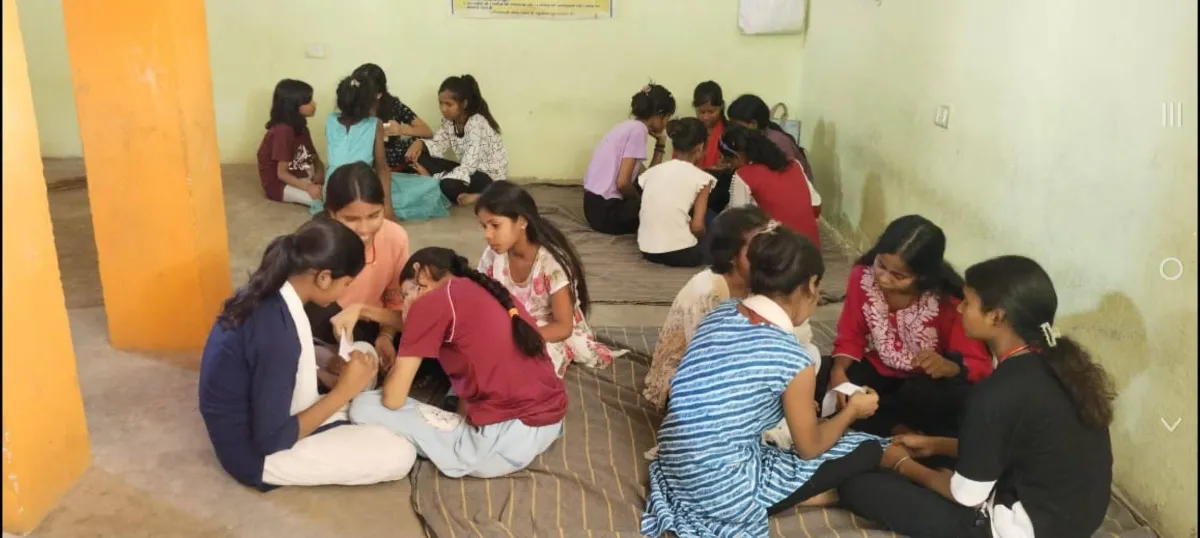
Currently, Kishori Kendras are operational across six panchayats in Danapur, Maner, and Bihta blocks, functioning as localized learning hubs within the community. Each Kendra provides a safe and accessible environment where adolescent girls come together to participate in interactive sessions, creative activities, and group discussions.
The curriculum covers a range of topics that are often overlooked in conventional settings, including self-confidence, goal-setting, bodily autonomy, menstrual health, personal safety, and gender equality. Alongside these, participants are introduced to life skills such as communication, problem-solving, leadership, financial literacy, and digital awareness. These sessions help them to navigate challenges, plan for their future, and strengthen their capacity to engage meaningfully in decision-making processes.
Beyond learning, the Kendras promote peer support and collective confidence-building. The girls are encouraged to share experiences, voice opinions, and challenge restrictive gender norms related to mobility, education, career aspirations, and participation in public life. The shared space has also contributed to fostering solidarity and mutual encouragement among participants.
The ongoing implementation of the Kishori Kendra model aims to assess its effectiveness in enhancing agency, self-efficacy, and community participation among adolescent girls. The lessons emerging from this initiative will inform strategies for scaling similar safe-space models for adolescent empowerment in other geographies.